Menu

Menu
Menu
HYDROSTADIUM supports project developers, network operators and local authorities by offering an integrated solution for the development of this type of energy project, from its inception through to commissioning. Operations and maintenance support to help optimise performance can also be provided.
A pumped-storage hydropower plant (PSH) is an energy storage infrastructure that uses water as a means of storing and generating electricity. It plays an essential role in the field of renewable energy and contributes to the balance and stability of electricity grids.
A PSH plant consists of two reservoirs located at different elevations. When electricity demand is low and surplus energy is available on the grid, water is pumped from the lower reservoir to the upper reservoir. Conversely, during periods of high electricity demand, energy is supplied by turbining water from the upper reservoir to the lower reservoir.
The engineering of a PSH plant involves the design of hydraulic, mechanical, electrical and civil engineering infrastructure, the modelling of water flows, the management of environmental and regulatory constraints, as well as the optimisation of energy and economic performance.
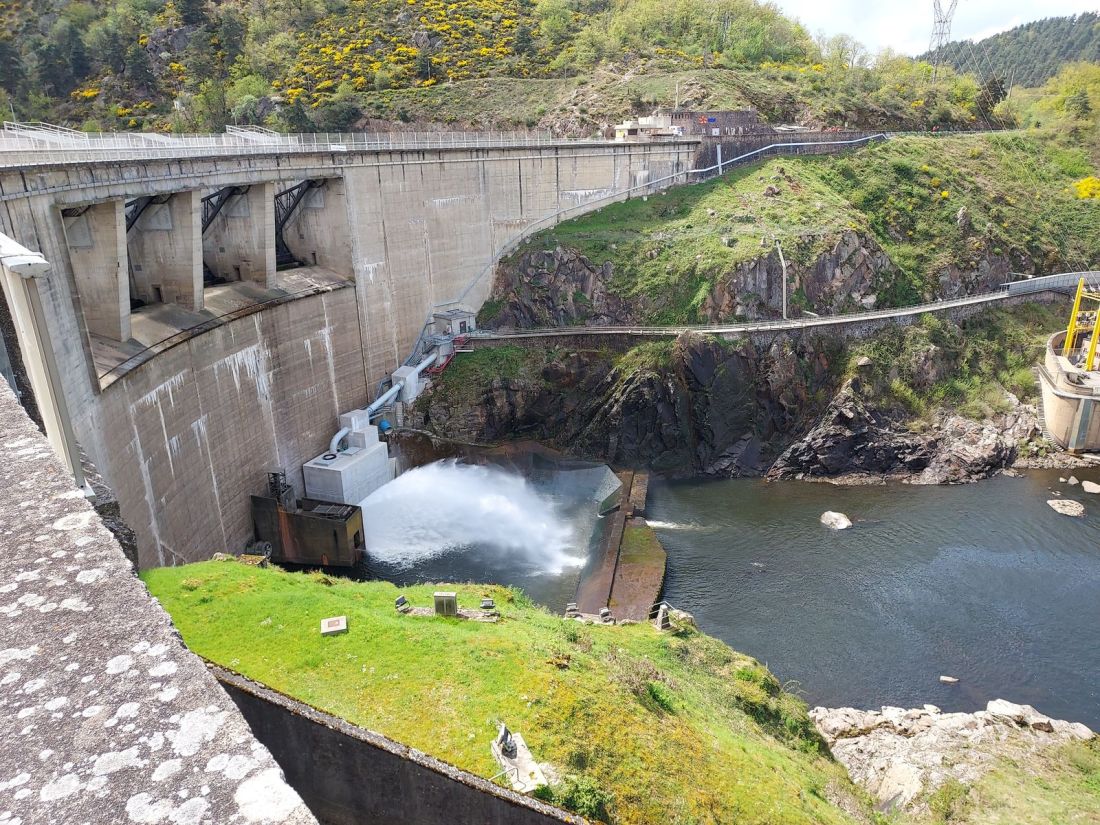
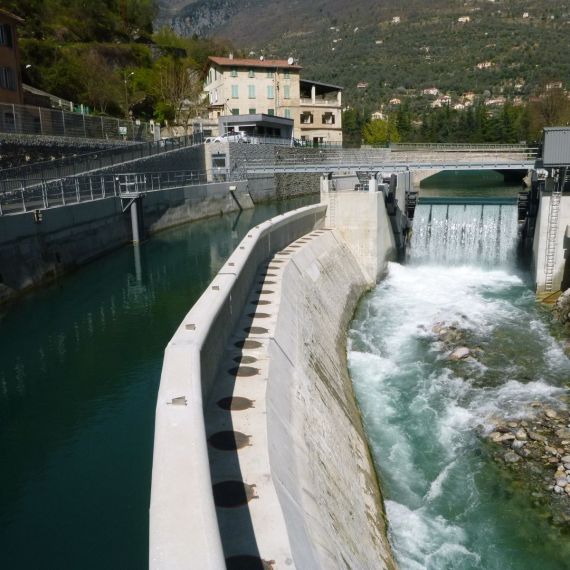
Pumped-storage hydropower among the highest-performing energy systems:
A tool that is now essential for a successful energy transition
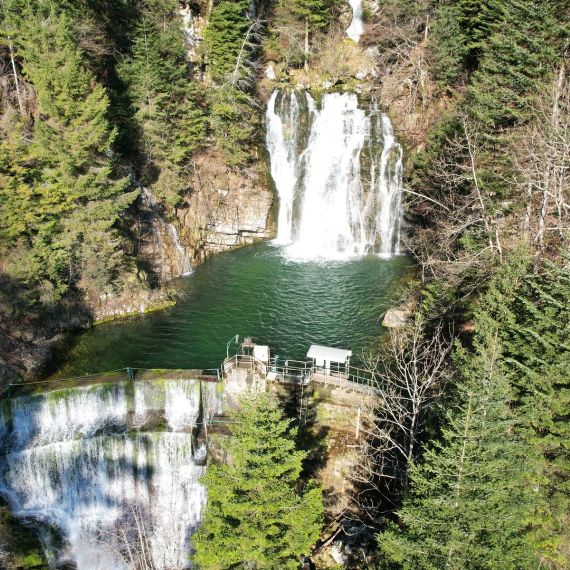
At a small scale, PSH systems can leverage existing infrastructure: water networks, hillside reservoirs, irrigation basins, repurposed quarries or industrial reservoirs.
Each project requires a precise analysis:
Hydrostadium carries out hydraulic and energy studies, designs the structures (penstocks, pumped-storage stations, safety equipment) and supports the administrative procedures.
By making use of existing head differences and facilitating the integration of renewable energies, mini and micro PSH systems contribute to decarbonising the energy mix.
They provide local authorities, developers and industrial operators with a concrete solution for storing energy locally, securing supply and optimising existing infrastructure.