Menu

Menu
Numerical modelling makes it possible to simulate flows and analyse the hydraulic operation of a structure or development.
Today, it is an essential tool for understanding hydraulic phenomena, testing design assumptions and securing technical choices.

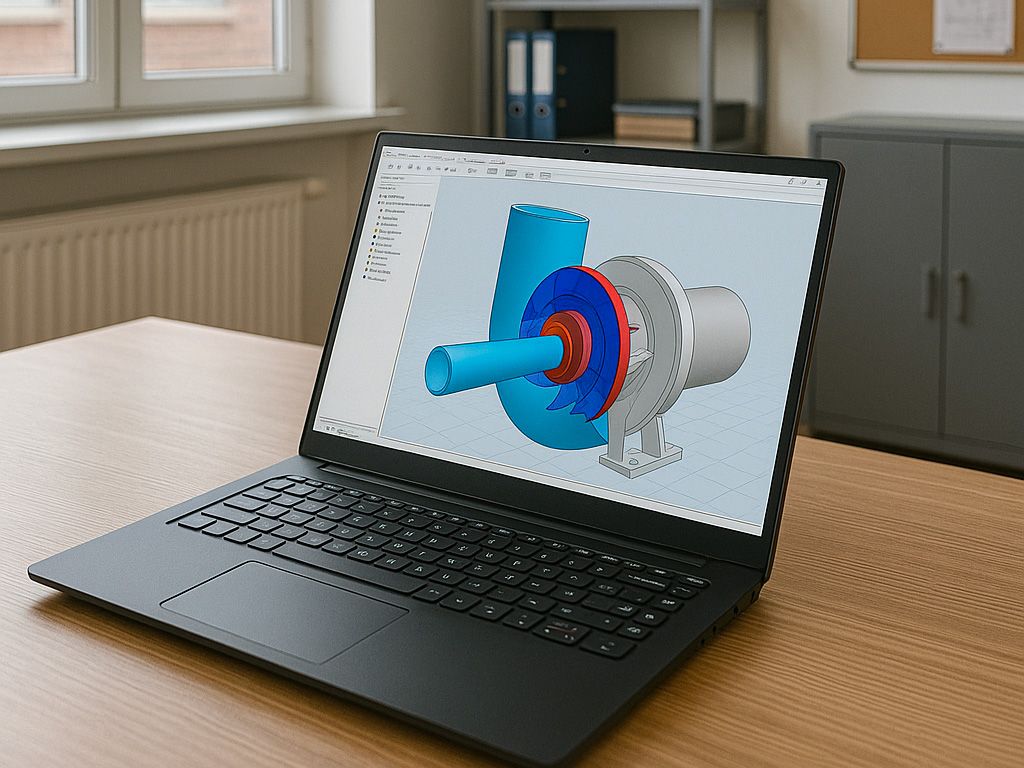

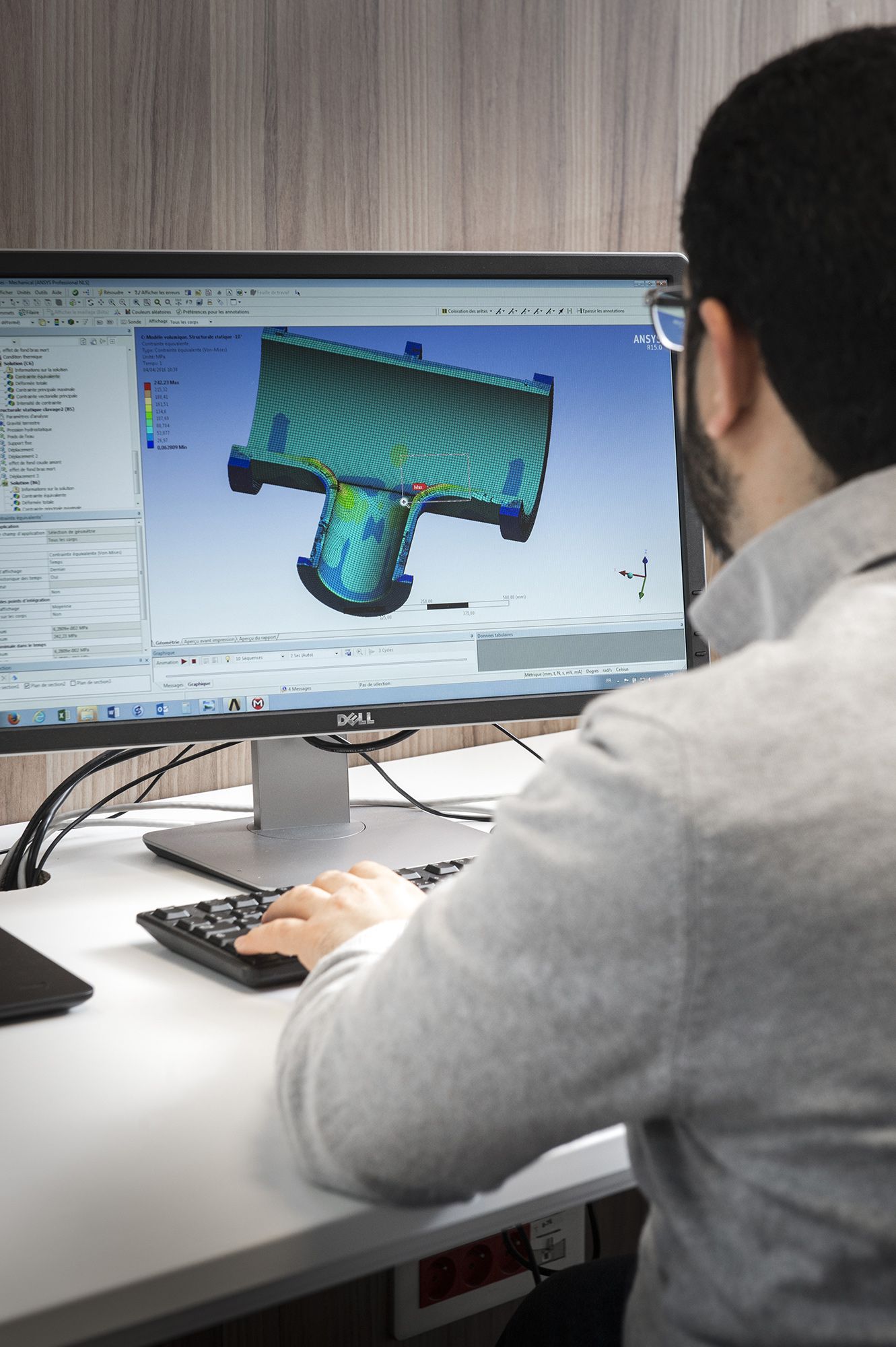

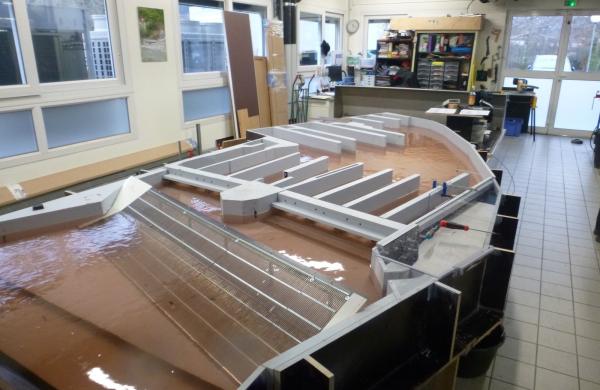
Hydrostadium’s engineers use recognised modelling tools to perform hydraulic simulations tailored to the requirements of each project. Numerical modelling can be used on its own or in combination with a physical model to compare the results and refine the analysis of the phenomena under study.
This approach provides reliable decision-support information and contributes to the design of high-performance, durable hydraulic structures.
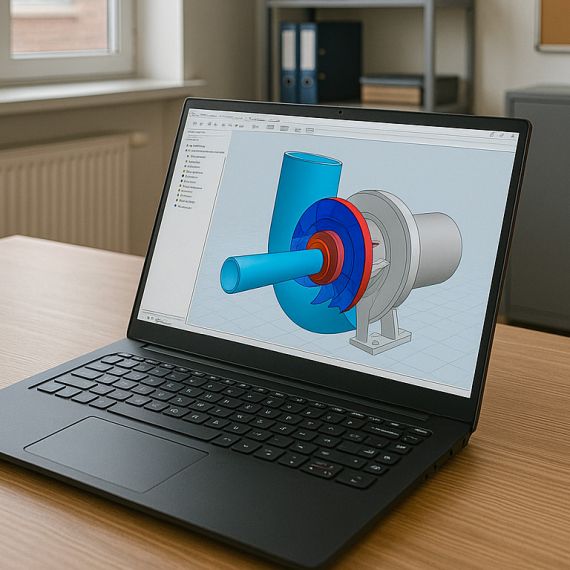
Using specialised computational software, it is possible to numerically reproduce different types of flow: free-surface flow, pressurised flow or flow in complex configurations. These simulations make it possible to study the behaviour of water in structures such as water intakes, galleries, channels or spillways.
The numerical modelling makes it possible to analyse numerous parameters: flow velocities, water levels, head losses, turbulent zones and sediment transport phenomena.
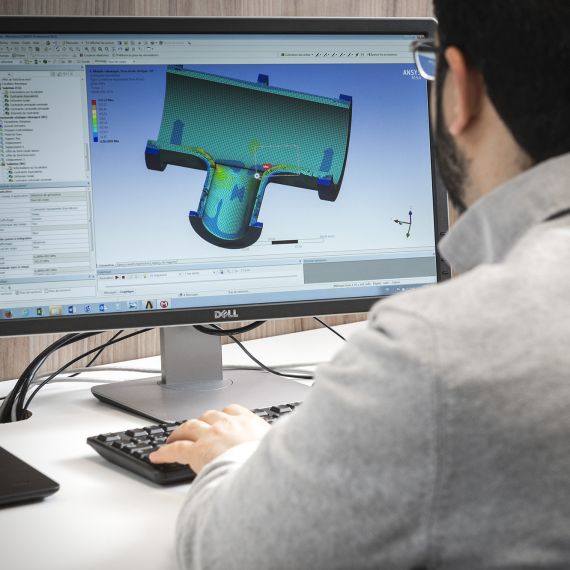
Numerical simulation makes it possible to test different configurations of hydraulic structures before they are built. It therefore helps optimise hydraulic design, identify potential sensitive areas and compare several technical solutions.
These analyses can be carried out at different scales, from the overall study of a development project to the detailed examination of a specific structure.